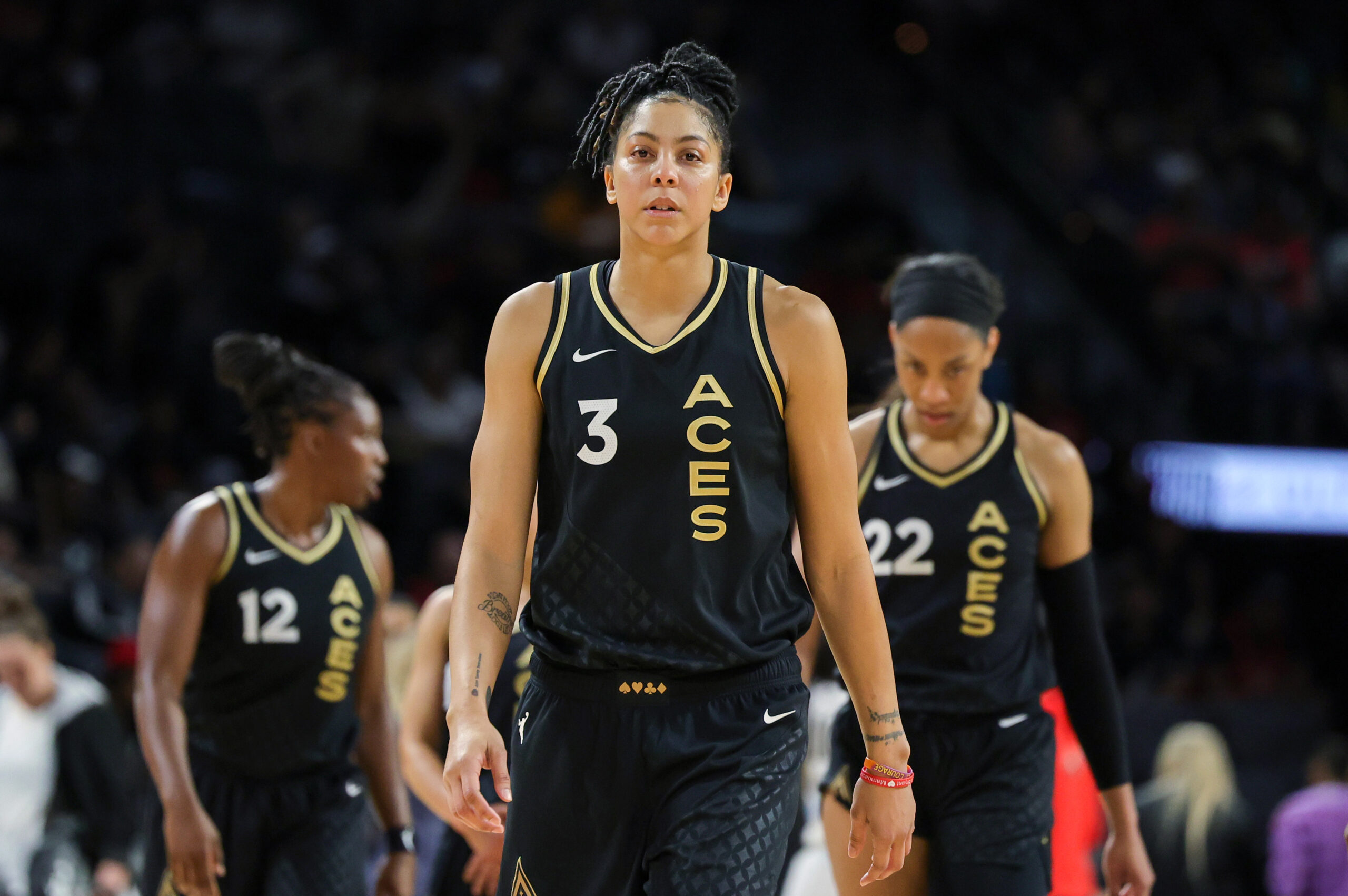
Trailblazer in Women’s Basketball: Candace Parker

padrirestaurant.net – Candace Parker, born on April 19, 1986, in St. Louis, Missouri, is not just a name in the world of women’s basketball; she is a symbol of excellence, resilience, and inspiration. Known for her remarkable athleticism, versatility, and leadership on the court, Parker has left an indelible mark on the sport, both domestically and internationally. Her journey from a high school phenom to a professional basketball icon is a testament to her dedication, hard work, and unyielding passion for the game.

Early Career and College Success

Parker’s basketball journey began in earnest during her high school years at Naperville Central High School in Illinois, where she quickly established herself as one of the most dominant players in the country. Her accolades were numerous, including being named the Naismith Prep Player of the Year and the Gatorade National Girls’ Basketball Player of the Year.

Following her standout high school career, Parker enrolled at the University of Tennessee, where she continued to excel under the guidance of legendary coach Pat Summitt. In her freshman year, she led the Lady Vols to an NCAA Championship, earning the Most Outstanding Player award in the process. Parker’s college career was nothing short of spectacular, as she became the first woman to dunk in an NCAA Tournament game and was named the AP Player of the Year in 2007.

Professional Career and Achievements

After a successful college career, Parker was selected as the first overall pick in the 2008 WNBA Draft by the Los Angeles Sparks. Her transition to the professional ranks was seamless, as she quickly became one of the league’s premier players. In her rookie season, Parker made history by becoming the first player to achieve a regular-season slam dunk and was named the WNBA Rookie of the Year. Her accolades continued to pile up, including being named the WNBA Most Valuable Player in 2008 and leading the Sparks to the WNBA Championship in 2016, where she was named the Finals MVP.

Parker’s impact extends beyond the WNBA, as she has also made significant contributions to the sport internationally. She has represented the United States in multiple international competitions, including the Olympics, where she has won multiple gold medals.

Off the Court Influence

Beyond her on-court achievements, Parker has been a vocal advocate for women’s basketball and gender equality in sports. She has used her platform to raise awareness about the disparities in pay and coverage between men’s and women’s sports and has been a role model for young athletes, encouraging them to pursue their dreams relentlessly.

Legacy

Candace Parker’s legacy in women’s basketball is not just defined by her numerous accolades and achievements but also by her ability to inspire and pave the way for future generations. Her dedication to the sport, both on and off the court, has made her a trailblazer and a beloved figure in the world of women’s basketball. As she continues to compete at the highest level, Parker’s influence and contributions to the game will undoubtedly continue to grow, leaving a lasting impact on the sport for years to come.

The Evolution of Women’s Basketball: Hoop Queens

padrirestaurant.net – The evolution of women’s basketball, a journey from backyard games to a global phenomenon, is a testament to the resilience, skill, and determination of the athletes who have shaped the sport. Known affectionately as “Hoop Queens,” these women have not only dominated the court but have also broken barriers and inspired generations. This article delves into the rich history and the ongoing revolution that is women’s basketball, highlighting the key moments, influential figures, and the cultural impact of the game.

The Early Years:
Women’s basketball began in the late 19th century, shortly after the game was invented by James Naismith in 1891. Senda Berenson, a physical education teacher at Smith College, adapted the rules for women, and the first women’s collegiate game was played in 1892. The sport quickly gained popularity, with teams forming across the United States. However, the early enthusiasm was met with resistance from those who believed that the game was too strenuous for women. Despite this, the Women’s Basketball League (WBL) was formed in the 1970s, providing a professional platform for female players.

Breaking Barriers:
The 1970s and 1980s were pivotal decades for women’s basketball. The passage of Title IX in 1972 in the United States, which prohibited sex discrimination in education programs, including sports, was a game-changer. It led to a surge in opportunities for female athletes, resulting in the growth of high school and college programs. The establishment of the Women’s National Basketball Association (WNBA) in 1997 was another monumental step, offering the first sustainable professional league for women’s basketball in the U.S.

Global Expansion:
Women’s basketball has transcended national boundaries, becoming a global sport with international competitions like the FIBA Women’s Basketball World Cup and the Women’s Olympic Basketball Tournament. Countries such as Australia, Russia, Spain, and Canada have emerged as powerhouses, challenging the traditional dominance of the United States. The global stage has provided a platform for players to showcase their talents and for the sport to gain a wider audience.

Cultural Impact:
The Hoop Queens have left an indelible mark on culture, inspiring movies, documentaries, and books. They have become role models, advocating for gender equality and empowering young girls to pursue their dreams. Social media has amplified their voices, allowing players to connect directly with fans and promote the sport in new ways.

The Future of Women’s Basketball:
The future of women’s basketball looks brighter than ever. With continued growth in viewership, sponsorship, and media coverage, the sport is gaining the recognition and support it deserves. Advocates are pushing for better pay, working conditions, and resources to ensure that women’s basketball can compete with its male counterpart on an equal footing.

Conclusion:
The evolution of women’s basketball is a story of perseverance, progress, and passion. From its humble beginnings to its current status as a celebrated sport, the Hoop Queens have paved the way for future generations. As the game continues to evolve, one thing remains constant: the love and dedication of those who play it. Women’s basketball is not just a sport; it’s a movement that empowers women and girls around the world to reach new heights. The Hoop Queens have indeed changed the game, and their legacy will continue to inspire for generations to come.

The Dangerous Allure: Seductresses and Sirens

padrirestaurant.net – Throughout history and across cultures, tales of seductresses and sirens have captivated the human imagination, embodying the dangerous allure of irresistible charm and beauty. These figures, often depicted as women who wield their attractiveness as a weapon, have been both revered and feared for their ability to ensnare the hearts and minds of men and women alike. Their stories, rich with symbolism and moral lessons, continue to fascinate and intrigue, offering a glimpse into the complex interplay between desire, power, and vulnerability.

The archetype of the seductress is ancient, with roots stretching back to mythology and folklore. From the Mesopotamian goddess Ishtar to the Greek sirens who lured sailors to their doom with their enchanting songs, these characters embody the dual nature of attraction: a source of inspiration and creativity, as well as a potential trap leading to ruin. The allure of the seductress is not merely physical; it is a potent mix of mystery, confidence, and an elusive quality that promises forbidden knowledge or experiences.

In many narratives, the seductress is portrayed as a femme fatale, a woman whose fatal attraction leads to the downfall of those who succumb to her charms. Figures like Cleopatra, Delilah, and Salome have become synonymous with the idea of the dangerous woman, whose beauty and cunning make them as formidable as they are desirable. Yet, these portrayals often reflect the anxieties and fantasies of the societies that created them, revealing more about the fears and desires of the audience than the reality of the women themselves.

The siren, a specific type of seductress from Greek mythology, symbolizes the perilous enchantment of the arts. Their haunting melodies, irresistible to sailors, represent the power of music and poetry to entrance and distract, leading listeners away from their intended paths. The siren’s song is a metaphor for the seductive power of beauty and art, which can inspire and uplift but also distract and destroy.

Despite their often negative portrayal, seductresses and sirens can also be seen as symbols of empowerment and agency. In a world where women have historically been denied power, these figures assert control through their sexuality and intelligence, challenging the status quo and subverting traditional gender roles. They embody the idea that attraction is a form of power, one that can be wielded with skill and precision.

Moreover, the allure of the seductress or siren is not just about physical beauty; it is about an aura of confidence and self-possession that is inherently attractive. These characters teach us that true allure comes from within, from a sense of self-worth and the ability to navigate the world on one’s own terms.

However, the dangerous allure of seductresses and sirens also serves as a cautionary tale, reminding us of the potential consequences of unchecked desire and the importance of self-control. The stories of these figures often end in tragedy, a reminder that the pursuit of beauty and pleasure can lead to ruin if not balanced with wisdom and restraint.

In conclusion, seductresses and sirens represent a complex and multifaceted archetype that speaks to the enduring fascination with the power of attraction. They embody the tension between desire and danger, empowerment and caution, offering timeless lessons on the nature of allure and the consequences of surrendering to temptation. Whether seen as a warning or an inspiration, these figures continue to captivate our imaginations, reminding us of the enduring power of beauty, charm, and the mysteries of the human heart.

The Strength of Women in the Face of Adversity

Throughout history, women have been the silent warriors, facing adversity with an unbreakable spirit. From the battlefields of ancient times to the boardrooms of the modern world, women have shown an incredible resilience in the face of challenges. This article explores the strength of women, their ability to overcome adversity, and the impact they have on society.

The Historical Context:
Women have always been at the forefront of change, often fighting against the odds. The suffragettes, for example, battled for gender equality in the early 20th century, facing public ridicule, imprisonment, and even violence. Their unwavering commitment to the cause eventually led to the right to vote for women in many countries. This was just the beginning of a long journey towards gender equality.

The Modern Struggle:
Today, women continue to face adversity in various forms. The #MeToo movement highlighted the prevalence of sexual harassment and assault, bringing to light the challenges women face in the workplace and beyond. Despite these obstacles, women have risen to leadership positions in politics, business, science, and the arts, proving that resilience and determination can break down barriers.

The Power of Resilience:
Resilience is the cornerstone of women’s strength. It is the ability to bounce back from setbacks, to learn from failures, and to keep moving forward. Women have shown time and again that they can turn adversity into opportunity, using their experiences to fuel their ambitions and to inspire others.

The Impact of Women’s Strength:
The strength of women has a profound impact on society. It empowers not just women themselves but also those around them. When women are given the opportunity to lead and to contribute fully to society, everyone benefits. The diversity of thought and experience enriches communities, leading to more innovative solutions to complex problems.

The Role of Support:
While women are incredibly strong, they do not face adversity alone. The support of family, friends, and society at large is crucial. Networks such as women’s groups, mentorship programs, and advocacy organizations play a vital role in providing the support and resources women need to overcome challenges.

Conclusion:
The strength of women in the face of adversity is a testament to the indomitable human spirit. It is a reminder that no matter how tough the circumstances, there is always the potential for growth, change, and progress. As we continue to navigate the complexities of the modern world, let us celebrate and support the unbreakable spirit of women, for their strength is a beacon of hope for us all.

In recognizing the strength of women, we acknowledge the power of resilience, the importance of support, and the potential for a more inclusive and equitable society. The journey towards gender equality is far from over, but the unbroken spirit of women ensures that it is a path worth traveling, for the benefit of all humanity.

Empowering Female: Strategies for Success

Empowering women is not just a moral imperative but also a critical factor in fostering economic growth, social stability, and sustainable development. Women’s empowerment involves creating an environment where women have equal access to opportunities, rights, and resources. This article outlines key strategies for empowering women, emphasizing the need for comprehensive approaches that address both systemic barriers and individual growth.

1. Education and Skill Development

Access to Quality Education

Education is the cornerstone of empowerment. Ensuring that girls have access to quality education from an early age is crucial. This includes not only primary and secondary education but also higher education and vocational training. Scholarships, mentorship programs, and partnerships with educational institutions can help bridge the gap for underprivileged women.

Continuous Learning and Skill Development

In the rapidly changing job market, continuous learning and skill development are essential. Women should be encouraged to pursue lifelong learning opportunities, including online courses, workshops, and professional certifications. This will help them stay competitive and adaptable in their careers.

2. Economic Empowerment

Equal Pay and Employment Opportunities

Closing the gender pay gap and ensuring equal employment opportunities are fundamental to economic empowerment. Organizations should implement transparent pay structures and promote policies that support gender equality in hiring, promotions, and leadership roles.

Entrepreneurship and Access to Capital

Supporting women entrepreneurs through access to capital, mentorship, and business networks can significantly boost their economic independence. Microfinance programs, grants, and investment funds tailored to women can help overcome financial barriers and stimulate entrepreneurial ventures.

3. Health and Well-being

Access to Healthcare

Empowering women also means ensuring they have access to comprehensive healthcare services. This includes reproductive health services, mental health support, and preventive care. Policies that support paid maternity leave and childcare facilities can also contribute to women’s overall well-being.

Work-Life Balance

Promoting a healthy work-life balance is essential for women to thrive both personally and professionally. Flexible work arrangements, remote work options, and supportive workplace policies can help women manage their responsibilities more effectively.

4. Leadership and Representation

Encouraging Leadership Roles

Women should be encouraged to take on leadership roles in various sectors, including business, politics, and community organizations. Leadership development programs, mentorship, and networking opportunities can help women build the confidence and skills needed to lead.

Representation in Decision-Making

Having women in decision-making positions ensures that their perspectives and needs are considered in policy and business decisions. Quotas, affirmative action, and inclusive practices can help increase women’s representation in leadership and governance.

5. Legal Rights and Protection

Strengthening Legal Frameworks

Establishing and enforcing laws that protect women’s rights is crucial. This includes laws against gender-based violence, discrimination, and harassment. Legal reforms should also address issues like property rights, inheritance laws, and access to justice.

Raising Awareness and Advocacy

Raising awareness about women’s rights and advocating for policy changes are essential components of empowerment. Grassroots movements, advocacy campaigns, and partnerships with NGOs can help drive social change and ensure that women’s rights are upheld.

6. Social and Cultural Change

Challenging Gender Stereotypes

Changing societal attitudes and challenging gender stereotypes are fundamental to women’s empowerment. Education campaigns, media representation, and community engagement can help shift perceptions and promote gender equality.

Supporting Networks and Communities

Building strong support networks and communities for women can provide them with the resources, encouragement, and solidarity needed to overcome challenges. Women’s groups, online communities, and professional associations can serve as valuable platforms for support and collaboration.

Conclusion

Empowering women requires a multifaceted approach that addresses educational, economic, health, legal, and social dimensions. By implementing these strategies, we can create a more equitable and inclusive society where women have the opportunity to succeed and contribute to their fullest potential. Empowering women is not just beneficial for women themselves but for society as a whole, leading to more robust economies, healthier communities, and a brighter future for all.