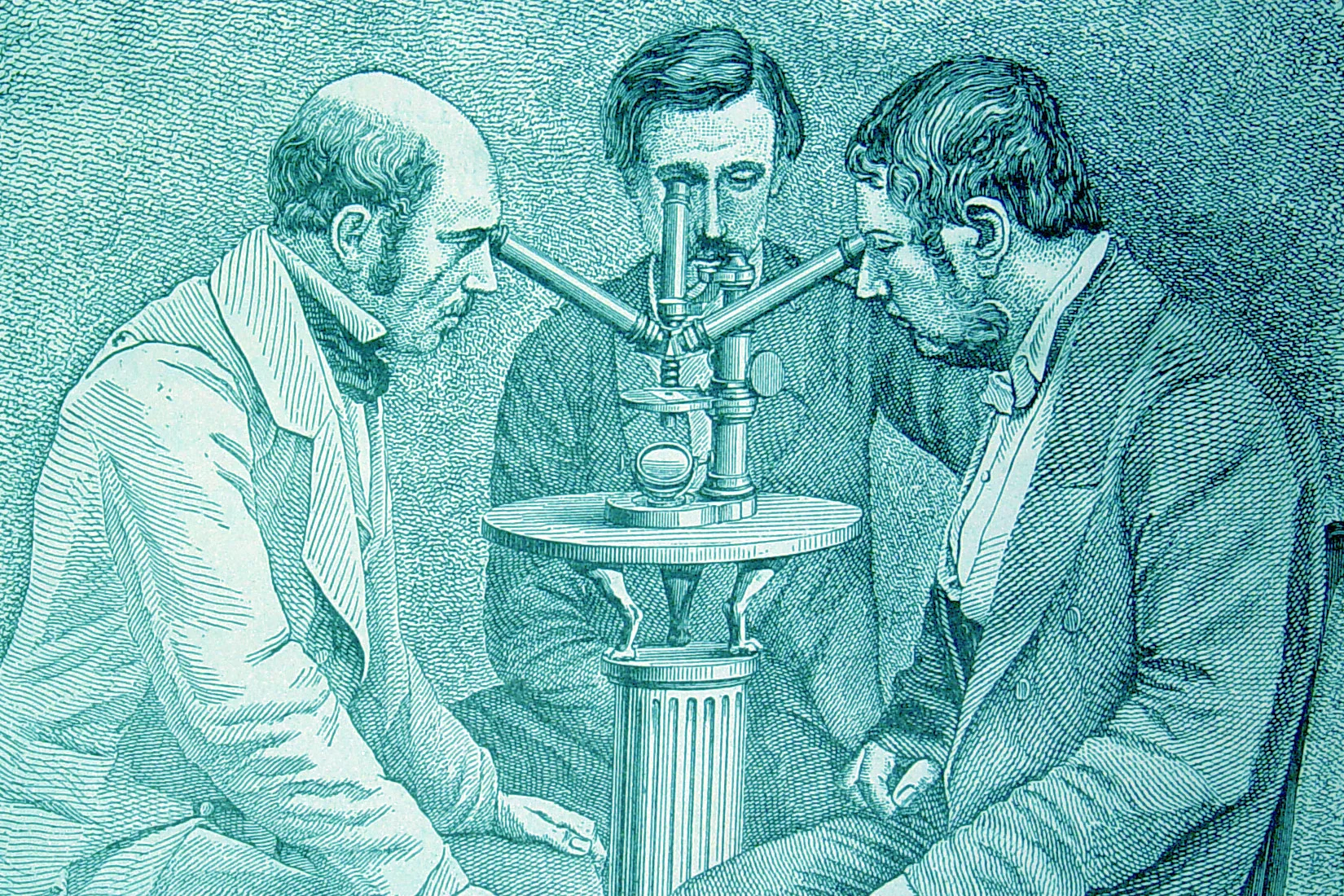
Sherlock Holmes and the Evolution of Forensic Science

padrirestaurant.net – In the late 19th century, Sir Arthur Conan Doyle introduced the world to Sherlock Holmes, a character who would become synonymous with the art of detection. Holmes, with his keen powers of observation, deductive reasoning, and scientific approach to solving crimes, not only captivated readers but also had a profound impact on the field of forensic science. This article explores the fascinating relationship between Sherlock Holmes and the evolution of forensic science, highlighting how a fictional detective influenced the very real world of crime investigation.

The Birth of a Detective:
Sherlock Holmes first appeared in print in 1887, in the novel “A Study in Scarlet.” Holmes was a departure from the traditional detective of his time, relying not on intuition or luck but on meticulous observation and the application of scientific methods. His use of fingerprinting, blood analysis, and trace evidence was revolutionary, even if some of his techniques were ahead of their time or purely fictional.

Forensic Science in the Victorian Era:
The Victorian era was a period of rapid scientific advancement, and Holmes’s methods were not entirely without precedent. The development of forensic science was underway, with significant contributions from figures such as Alphonse Bertillon, who developed the system of bertillonage for identifying criminals, and Francis Galton, who laid the groundwork for modern fingerprinting. Holmes’s methods, while fictional, were inspired by these real-world advancements and helped to popularize the idea that science could be used to solve crimes.

The Holmes Effect:
The popularity of Sherlock Holmes stories had a significant impact on the public’s perception of crime detection. The character’s reliance on scientific methods and the portrayal of his successes in solving seemingly unsolvable cases led to increased interest in forensic science. This, in turn, encouraged the development of forensic techniques and the establishment of forensic laboratories.

From Fiction to Fact:
Many of the techniques Holmes used eventually became standard practice in forensic science. For example, Holmes’s use of trace evidence, such as footprints and fibers, inspired the development of forensic disciplines like soil analysis and microscopy. Similarly, his deductive reasoning and attention to detail laid the groundwork for the systematic approach to crime scene investigation that is used today.

The Legacy of Sherlock Holmes:
Today, forensic science is an integral part of law enforcement and the judicial system. The evolution of forensic science owes a debt to Sherlock Holmes, whose methods and approach to detection have been emulated and refined over the years. From DNA analysis to digital forensics, the field continues to evolve, driven by the same spirit of inquiry and innovation that Holmes embodied.

Conclusion:
Sherlock Holmes may have been a fictional character, but his influence on the evolution of forensic science is undeniable. By popularizing the scientific method in crime detection, Holmes inspired generations of forensic scientists and detectives. The art of detection has come a long way since Holmes’s time, but the principles he championed—observation, deduction, and a relentless pursuit of the truth—remain at the heart of forensic science. As the field continues to advance, the legacy of Sherlock Holmes serves as a reminder of the power of science and reason in the pursuit of justice.

The Evolution of Women’s Basketball: Hoop Queens

padrirestaurant.net – The evolution of women’s basketball, a journey from backyard games to a global phenomenon, is a testament to the resilience, skill, and determination of the athletes who have shaped the sport. Known affectionately as “Hoop Queens,” these women have not only dominated the court but have also broken barriers and inspired generations. This article delves into the rich history and the ongoing revolution that is women’s basketball, highlighting the key moments, influential figures, and the cultural impact of the game.

The Early Years:
Women’s basketball began in the late 19th century, shortly after the game was invented by James Naismith in 1891. Senda Berenson, a physical education teacher at Smith College, adapted the rules for women, and the first women’s collegiate game was played in 1892. The sport quickly gained popularity, with teams forming across the United States. However, the early enthusiasm was met with resistance from those who believed that the game was too strenuous for women. Despite this, the Women’s Basketball League (WBL) was formed in the 1970s, providing a professional platform for female players.

Breaking Barriers:
The 1970s and 1980s were pivotal decades for women’s basketball. The passage of Title IX in 1972 in the United States, which prohibited sex discrimination in education programs, including sports, was a game-changer. It led to a surge in opportunities for female athletes, resulting in the growth of high school and college programs. The establishment of the Women’s National Basketball Association (WNBA) in 1997 was another monumental step, offering the first sustainable professional league for women’s basketball in the U.S.

Global Expansion:
Women’s basketball has transcended national boundaries, becoming a global sport with international competitions like the FIBA Women’s Basketball World Cup and the Women’s Olympic Basketball Tournament. Countries such as Australia, Russia, Spain, and Canada have emerged as powerhouses, challenging the traditional dominance of the United States. The global stage has provided a platform for players to showcase their talents and for the sport to gain a wider audience.

Cultural Impact:
The Hoop Queens have left an indelible mark on culture, inspiring movies, documentaries, and books. They have become role models, advocating for gender equality and empowering young girls to pursue their dreams. Social media has amplified their voices, allowing players to connect directly with fans and promote the sport in new ways.

The Future of Women’s Basketball:
The future of women’s basketball looks brighter than ever. With continued growth in viewership, sponsorship, and media coverage, the sport is gaining the recognition and support it deserves. Advocates are pushing for better pay, working conditions, and resources to ensure that women’s basketball can compete with its male counterpart on an equal footing.

Conclusion:
The evolution of women’s basketball is a story of perseverance, progress, and passion. From its humble beginnings to its current status as a celebrated sport, the Hoop Queens have paved the way for future generations. As the game continues to evolve, one thing remains constant: the love and dedication of those who play it. Women’s basketball is not just a sport; it’s a movement that empowers women and girls around the world to reach new heights. The Hoop Queens have indeed changed the game, and their legacy will continue to inspire for generations to come.