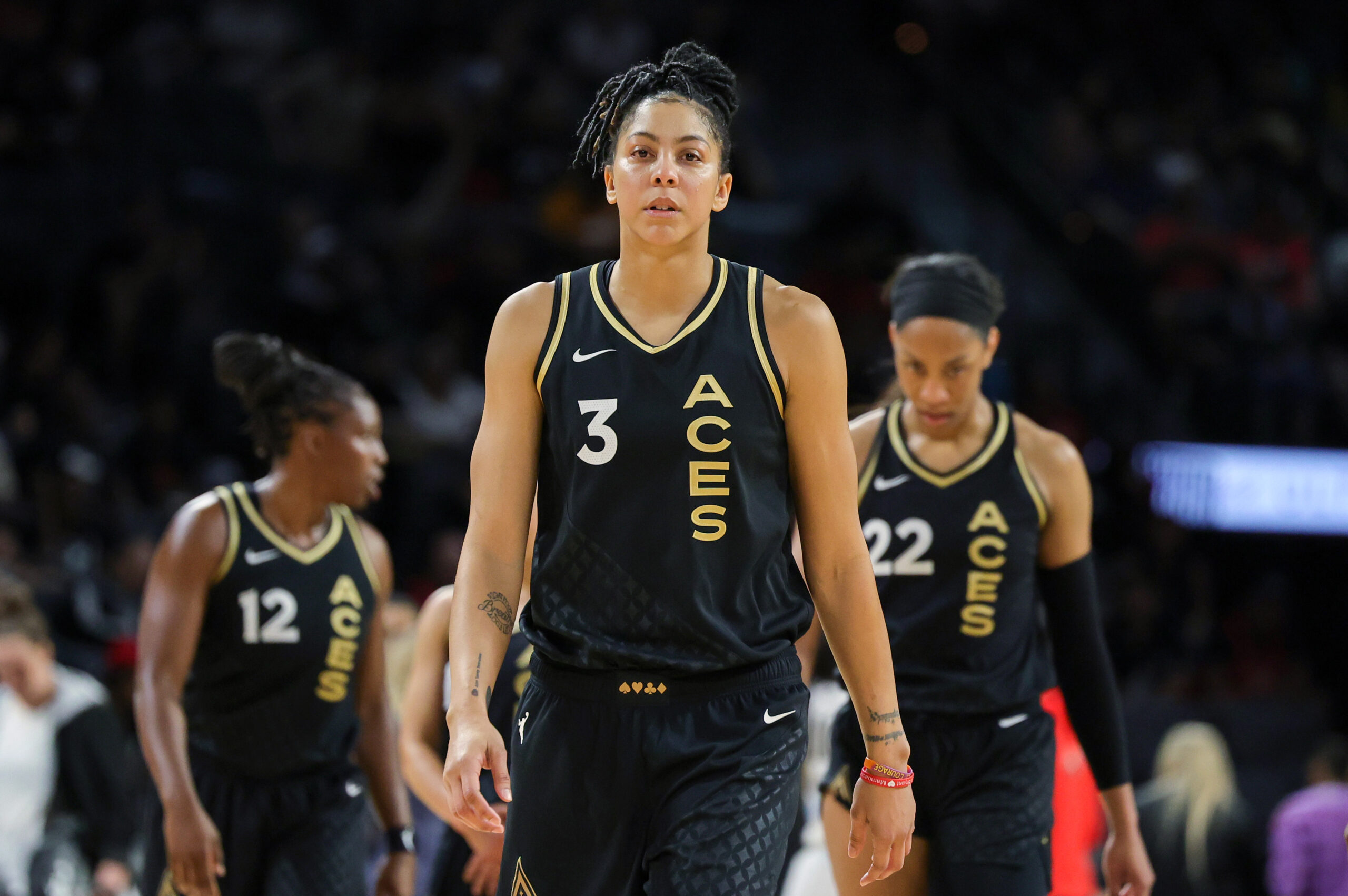
Trailblazer in Women’s Basketball: Candace Parker

padrirestaurant.net – Candace Parker, born on April 19, 1986, in St. Louis, Missouri, is not just a name in the world of women’s basketball; she is a symbol of excellence, resilience, and inspiration. Known for her remarkable athleticism, versatility, and leadership on the court, Parker has left an indelible mark on the sport, both domestically and internationally. Her journey from a high school phenom to a professional basketball icon is a testament to her dedication, hard work, and unyielding passion for the game.

Early Career and College Success

Parker’s basketball journey began in earnest during her high school years at Naperville Central High School in Illinois, where she quickly established herself as one of the most dominant players in the country. Her accolades were numerous, including being named the Naismith Prep Player of the Year and the Gatorade National Girls’ Basketball Player of the Year.

Following her standout high school career, Parker enrolled at the University of Tennessee, where she continued to excel under the guidance of legendary coach Pat Summitt. In her freshman year, she led the Lady Vols to an NCAA Championship, earning the Most Outstanding Player award in the process. Parker’s college career was nothing short of spectacular, as she became the first woman to dunk in an NCAA Tournament game and was named the AP Player of the Year in 2007.

Professional Career and Achievements

After a successful college career, Parker was selected as the first overall pick in the 2008 WNBA Draft by the Los Angeles Sparks. Her transition to the professional ranks was seamless, as she quickly became one of the league’s premier players. In her rookie season, Parker made history by becoming the first player to achieve a regular-season slam dunk and was named the WNBA Rookie of the Year. Her accolades continued to pile up, including being named the WNBA Most Valuable Player in 2008 and leading the Sparks to the WNBA Championship in 2016, where she was named the Finals MVP.

Parker’s impact extends beyond the WNBA, as she has also made significant contributions to the sport internationally. She has represented the United States in multiple international competitions, including the Olympics, where she has won multiple gold medals.

Off the Court Influence

Beyond her on-court achievements, Parker has been a vocal advocate for women’s basketball and gender equality in sports. She has used her platform to raise awareness about the disparities in pay and coverage between men’s and women’s sports and has been a role model for young athletes, encouraging them to pursue their dreams relentlessly.

Legacy

Candace Parker’s legacy in women’s basketball is not just defined by her numerous accolades and achievements but also by her ability to inspire and pave the way for future generations. Her dedication to the sport, both on and off the court, has made her a trailblazer and a beloved figure in the world of women’s basketball. As she continues to compete at the highest level, Parker’s influence and contributions to the game will undoubtedly continue to grow, leaving a lasting impact on the sport for years to come.

The Evolution of Women’s Basketball: Hoop Queens

padrirestaurant.net – The evolution of women’s basketball, a journey from backyard games to a global phenomenon, is a testament to the resilience, skill, and determination of the athletes who have shaped the sport. Known affectionately as “Hoop Queens,” these women have not only dominated the court but have also broken barriers and inspired generations. This article delves into the rich history and the ongoing revolution that is women’s basketball, highlighting the key moments, influential figures, and the cultural impact of the game.

The Early Years:
Women’s basketball began in the late 19th century, shortly after the game was invented by James Naismith in 1891. Senda Berenson, a physical education teacher at Smith College, adapted the rules for women, and the first women’s collegiate game was played in 1892. The sport quickly gained popularity, with teams forming across the United States. However, the early enthusiasm was met with resistance from those who believed that the game was too strenuous for women. Despite this, the Women’s Basketball League (WBL) was formed in the 1970s, providing a professional platform for female players.

Breaking Barriers:
The 1970s and 1980s were pivotal decades for women’s basketball. The passage of Title IX in 1972 in the United States, which prohibited sex discrimination in education programs, including sports, was a game-changer. It led to a surge in opportunities for female athletes, resulting in the growth of high school and college programs. The establishment of the Women’s National Basketball Association (WNBA) in 1997 was another monumental step, offering the first sustainable professional league for women’s basketball in the U.S.

Global Expansion:
Women’s basketball has transcended national boundaries, becoming a global sport with international competitions like the FIBA Women’s Basketball World Cup and the Women’s Olympic Basketball Tournament. Countries such as Australia, Russia, Spain, and Canada have emerged as powerhouses, challenging the traditional dominance of the United States. The global stage has provided a platform for players to showcase their talents and for the sport to gain a wider audience.

Cultural Impact:
The Hoop Queens have left an indelible mark on culture, inspiring movies, documentaries, and books. They have become role models, advocating for gender equality and empowering young girls to pursue their dreams. Social media has amplified their voices, allowing players to connect directly with fans and promote the sport in new ways.

The Future of Women’s Basketball:
The future of women’s basketball looks brighter than ever. With continued growth in viewership, sponsorship, and media coverage, the sport is gaining the recognition and support it deserves. Advocates are pushing for better pay, working conditions, and resources to ensure that women’s basketball can compete with its male counterpart on an equal footing.

Conclusion:
The evolution of women’s basketball is a story of perseverance, progress, and passion. From its humble beginnings to its current status as a celebrated sport, the Hoop Queens have paved the way for future generations. As the game continues to evolve, one thing remains constant: the love and dedication of those who play it. Women’s basketball is not just a sport; it’s a movement that empowers women and girls around the world to reach new heights. The Hoop Queens have indeed changed the game, and their legacy will continue to inspire for generations to come.