The Strength of Women in the Face of Adversity

Throughout history, women have been the silent warriors, facing adversity with an unbreakable spirit. From the battlefields of ancient times to the boardrooms of the modern world, women have shown an incredible resilience in the face of challenges. This article explores the strength of women, their ability to overcome adversity, and the impact they have on society.

The Historical Context:
Women have always been at the forefront of change, often fighting against the odds. The suffragettes, for example, battled for gender equality in the early 20th century, facing public ridicule, imprisonment, and even violence. Their unwavering commitment to the cause eventually led to the right to vote for women in many countries. This was just the beginning of a long journey towards gender equality.

The Modern Struggle:
Today, women continue to face adversity in various forms. The #MeToo movement highlighted the prevalence of sexual harassment and assault, bringing to light the challenges women face in the workplace and beyond. Despite these obstacles, women have risen to leadership positions in politics, business, science, and the arts, proving that resilience and determination can break down barriers.

The Power of Resilience:
Resilience is the cornerstone of women’s strength. It is the ability to bounce back from setbacks, to learn from failures, and to keep moving forward. Women have shown time and again that they can turn adversity into opportunity, using their experiences to fuel their ambitions and to inspire others.

The Impact of Women’s Strength:
The strength of women has a profound impact on society. It empowers not just women themselves but also those around them. When women are given the opportunity to lead and to contribute fully to society, everyone benefits. The diversity of thought and experience enriches communities, leading to more innovative solutions to complex problems.

The Role of Support:
While women are incredibly strong, they do not face adversity alone. The support of family, friends, and society at large is crucial. Networks such as women’s groups, mentorship programs, and advocacy organizations play a vital role in providing the support and resources women need to overcome challenges.

Conclusion:
The strength of women in the face of adversity is a testament to the indomitable human spirit. It is a reminder that no matter how tough the circumstances, there is always the potential for growth, change, and progress. As we continue to navigate the complexities of the modern world, let us celebrate and support the unbreakable spirit of women, for their strength is a beacon of hope for us all.

In recognizing the strength of women, we acknowledge the power of resilience, the importance of support, and the potential for a more inclusive and equitable society. The journey towards gender equality is far from over, but the unbroken spirit of women ensures that it is a path worth traveling, for the benefit of all humanity.
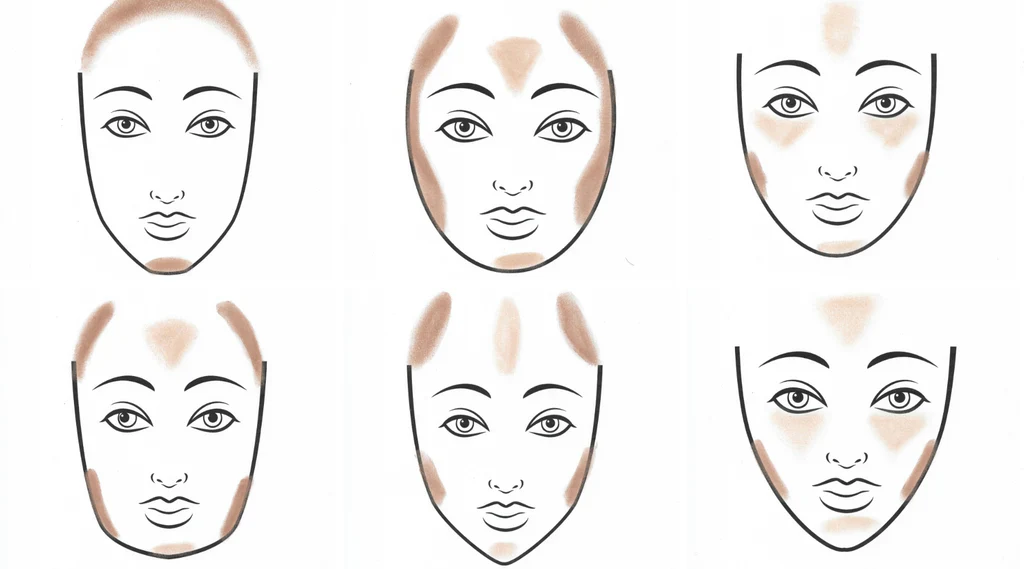
The Art of Contouring: Sculpting Your Face

Contouring is a makeup technique that has revolutionized the beauty industry, allowing individuals to enhance their facial features and create a more defined appearance. Once reserved for professional makeup artists, contouring has become an accessible skill for beauty enthusiasts everywhere. This article will guide you through the art of contouring, offering tips and tricks to help you sculpt your face like a pro.

Understanding Contouring

At its core, contouring is about creating shadows and highlights to mimic the natural structure of your face. By strategically applying darker and lighter shades of makeup, you can enhance bone structure, slim down certain areas, and bring more dimension to your face.

Essential Tools for Contouring

Before diving into the techniques, it’s important to have the right tools. Here’s what you’ll need:

  1. Contour Products: These come in various forms, including powders, creams, and sticks. Choose a shade that is 1-2 shades darker than your natural skin tone for contouring.
  2. Highlighter: To complement your contour, you’ll need a highlighter that is 1-2 shades lighter than your skin tone.
  3. Brushes and Blenders: A variety of brushes and blending sponges are essential for precise application and seamless blending. Angled brushes and beauty blenders are particularly useful.

Steps to Contour Like a Pro

  1. Prep Your Skin: Start with a clean, moisturized face. Apply a primer to ensure your makeup lasts longer and goes on smoothly.
  2. Foundation: Apply your usual foundation to create an even base. This helps blend the contour and highlight seamlessly.
  3. Mapping Out Contour Areas: Identify the areas of your face where you want to add dimension. Common areas include:
    • Hollows of the Cheeks: To slim down your face and enhance cheekbones.
    • Jawline: To define and sharpen the jaw.
    • Forehead: Along the hairline to reduce the appearance of a larger forehead.
    • Nose: Along the sides of the nose to create the illusion of a slimmer nose.
  4. Applying Contour: Using your contour product, lightly apply it to the mapped-out areas. Use an angled brush for precision and start with a light hand to avoid harsh lines.
  5. Blending: Blend the contour lines using a damp beauty blender or a blending brush. The key to a natural look is seamless blending. Make sure there are no harsh lines and the contour fades into your foundation.
  6. Highlighting: Apply the highlighter to the high points of your face where light naturally hits, such as:
    • Top of the Cheekbones: To enhance the cheekbones.
    • Bridge of the Nose: To make the nose appear straighter.
    • Brow Bone: Just below the eyebrow to lift the brow.
    • Cupid’s Bow: Above the lips to make them appear fuller.
    • Center of the Forehead and Chin: To bring light to the center of your face.
  7. Blending the Highlight: Blend the highlighter into your skin using a clean beauty blender or brush. This will ensure that it looks natural and catches the light beautifully.
  8. Setting the Makeup: Set your makeup with a translucent powder to ensure it stays in place all day. You can also use a setting spray for a dewy finish.

Tips for Perfect Contouring

  • Know Your Face Shape: Different face shapes require different contouring techniques. Understanding your face shape can help you contour more effectively.
  • Less is More: Start with a small amount of product and build up if needed. It’s easier to add more than to remove excess.
  • Blend, Blend, Blend: The most important aspect of contouring is blending. Use circular motions and make sure there are no visible lines.
  • Practice Makes Perfect: Contouring is a skill that improves with practice. Experiment with different techniques and products to find what works best for you.

Conclusion

The art of contouring can transform your makeup routine and enhance your natural beauty. By understanding the basics and having the right tools, you can sculpt your face like a pro. Remember, practice and patience are key. With time, you’ll master the art of contouring and achieve a flawless, defined look that highlights your best features.