From Calligraphy to Contemporary Design: Asian Art, Aesthetics

Asian art and aesthetics, with their rich history and profound influence, offer a fascinating journey through millennia of cultural expression. From the elegant strokes of calligraphy to the innovative forms of contemporary design, Asian art reflects a deep connection to nature, a reverence for tradition, and a dynamic engagement with modernity. This exploration delves into the diverse realms of Asian art, tracing its evolution and the enduring principles that define its aesthetic.

The Essence of Calligraphy

At the heart of Asian art lies calligraphy, a form that transcends mere writing to become an art of expression and meditation. In Chinese, Japanese, and Korean traditions, calligraphy is not just about the literal meaning of the words but also about the beauty and energy of their formation. Each stroke, with its varying thickness and direction, conveys not only the literal meaning but also the tone and intentionality behind it. Calligraphy embodies the Taoist principle of harmony with nature, as the artist must be in tune with the flow of energy, or “qi,” to create a balanced and powerful piece.

The Zen of Ink Wash Painting

Ink wash painting, or “shui-mo” in Chinese, is another cornerstone of Asian aesthetic tradition. This form of painting uses ink diluted with water to create gradations of color and texture on paper or silk. The simplicity and spontaneity of ink wash painting reflect the Zen Buddhist philosophy of finding beauty in imperfection and embracing the transient nature of existence. Artists like Sesshu Toyo in Japan and Shitao in China have mastered this art, leaving behind works that evoke a profound sense of tranquility and depth.

The Craftsmanship of Pottery and Porcelain

The art of pottery and porcelain in Asia is not just about creating functional objects but also about achieving a perfect balance between form, color, and texture. From the celadon of Korea to the Ming porcelain of China, each region has developed its unique techniques and styles. These ceramics often carry intricate patterns and motifs that tell stories of cultural heritage and spiritual beliefs. The meticulous craftsmanship involved in creating these pieces reflects a deep respect for tradition and a commitment to excellence.

The Fusion of Tradition and Modernity in Contemporary Design

In the realm of contemporary design, Asian aesthetics continue to evolve, blending traditional elements with modern sensibilities. Designers and artists across Asia are reinterpreting ancient motifs and techniques in new and innovative ways, creating works that speak to both the past and the future. From the sleek lines of Japanese architecture that echo the simplicity of Zen gardens to the vibrant digital art that incorporates traditional calligraphy and ink wash techniques, the fusion of tradition and modernity is a testament to the enduring relevance of Asian aesthetics.

Conclusion

The journey from the meditative strokes of calligraphy to the innovative expressions of contemporary design showcases the breadth and depth of Asian art and aesthetics. It is a testament to the enduring power of cultural traditions and the creative spirit of Asian artists and designers. As we continue to explore and appreciate these diverse forms of artistic expression, we gain a deeper understanding of the rich tapestry of human creativity and the universal quest for beauty and harmony. Asian art, in all its forms, invites us to pause, reflect, and find inspiration in the timeless principles that have shaped it.
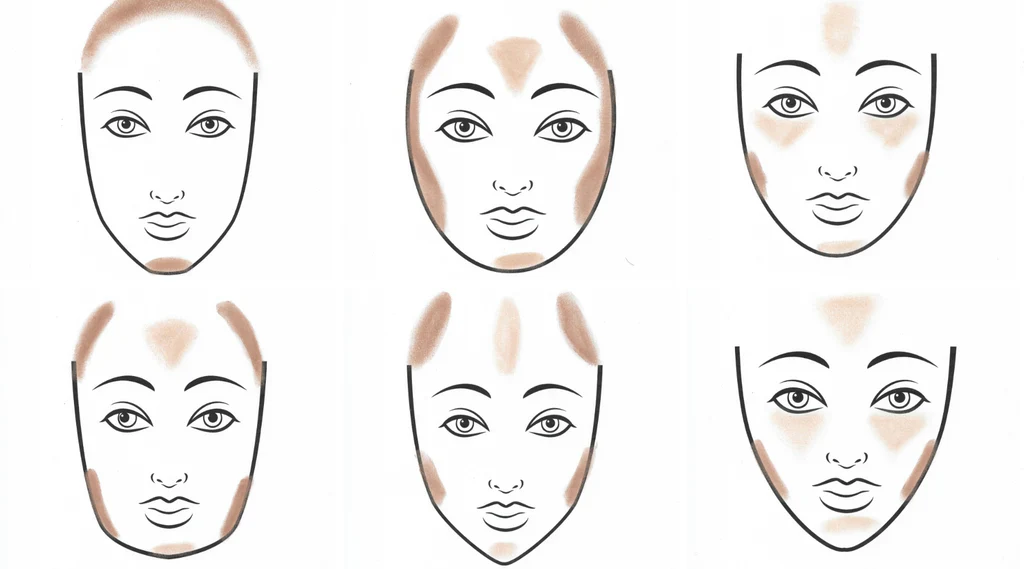
The Art of Contouring: Sculpting Your Face

Contouring is a makeup technique that has revolutionized the beauty industry, allowing individuals to enhance their facial features and create a more defined appearance. Once reserved for professional makeup artists, contouring has become an accessible skill for beauty enthusiasts everywhere. This article will guide you through the art of contouring, offering tips and tricks to help you sculpt your face like a pro.

Understanding Contouring

At its core, contouring is about creating shadows and highlights to mimic the natural structure of your face. By strategically applying darker and lighter shades of makeup, you can enhance bone structure, slim down certain areas, and bring more dimension to your face.

Essential Tools for Contouring

Before diving into the techniques, it’s important to have the right tools. Here’s what you’ll need:

  1. Contour Products: These come in various forms, including powders, creams, and sticks. Choose a shade that is 1-2 shades darker than your natural skin tone for contouring.
  2. Highlighter: To complement your contour, you’ll need a highlighter that is 1-2 shades lighter than your skin tone.
  3. Brushes and Blenders: A variety of brushes and blending sponges are essential for precise application and seamless blending. Angled brushes and beauty blenders are particularly useful.

Steps to Contour Like a Pro

  1. Prep Your Skin: Start with a clean, moisturized face. Apply a primer to ensure your makeup lasts longer and goes on smoothly.
  2. Foundation: Apply your usual foundation to create an even base. This helps blend the contour and highlight seamlessly.
  3. Mapping Out Contour Areas: Identify the areas of your face where you want to add dimension. Common areas include:
    • Hollows of the Cheeks: To slim down your face and enhance cheekbones.
    • Jawline: To define and sharpen the jaw.
    • Forehead: Along the hairline to reduce the appearance of a larger forehead.
    • Nose: Along the sides of the nose to create the illusion of a slimmer nose.
  4. Applying Contour: Using your contour product, lightly apply it to the mapped-out areas. Use an angled brush for precision and start with a light hand to avoid harsh lines.
  5. Blending: Blend the contour lines using a damp beauty blender or a blending brush. The key to a natural look is seamless blending. Make sure there are no harsh lines and the contour fades into your foundation.
  6. Highlighting: Apply the highlighter to the high points of your face where light naturally hits, such as:
    • Top of the Cheekbones: To enhance the cheekbones.
    • Bridge of the Nose: To make the nose appear straighter.
    • Brow Bone: Just below the eyebrow to lift the brow.
    • Cupid’s Bow: Above the lips to make them appear fuller.
    • Center of the Forehead and Chin: To bring light to the center of your face.
  7. Blending the Highlight: Blend the highlighter into your skin using a clean beauty blender or brush. This will ensure that it looks natural and catches the light beautifully.
  8. Setting the Makeup: Set your makeup with a translucent powder to ensure it stays in place all day. You can also use a setting spray for a dewy finish.

Tips for Perfect Contouring

  • Know Your Face Shape: Different face shapes require different contouring techniques. Understanding your face shape can help you contour more effectively.
  • Less is More: Start with a small amount of product and build up if needed. It’s easier to add more than to remove excess.
  • Blend, Blend, Blend: The most important aspect of contouring is blending. Use circular motions and make sure there are no visible lines.
  • Practice Makes Perfect: Contouring is a skill that improves with practice. Experiment with different techniques and products to find what works best for you.

Conclusion

The art of contouring can transform your makeup routine and enhance your natural beauty. By understanding the basics and having the right tools, you can sculpt your face like a pro. Remember, practice and patience are key. With time, you’ll master the art of contouring and achieve a flawless, defined look that highlights your best features.