Battling Demons in the Modern World: The Exorcist’s Tale

padrirestaurant.net – In an era where science and technology reign supreme, the ancient practice of exorcism might seem like a relic of the past. Yet, in the shadows of our modern world, there are those who continue to wage a silent war against the unseen forces of darkness. This is the story of one such exorcist, a modern-day warrior in the battle against demons, and his tales of confronting the supernatural in a skeptical age.

The Calling

Our exorcist, whom we’ll call Father Michael, didn’t choose his vocation; it chose him. Growing up in a devout family, he was always attuned to the spiritual realm, but it wasn’t until a series of unexplainable events during his seminary years that he realized his unique calling. “I saw things that couldn’t be explained away by science or psychology,” he recounts. “I knew then that my path was set.”

Training for the Unseen

The path to becoming an exorcist is not an easy one. It requires not only a deep faith but also a rigorous training in theology, psychology, and the history of the occult. Father Michael spent years studying under the guidance of seasoned exorcists, learning the ancient rites and prayers that have been used for centuries to combat demonic possession. “You must be prepared for anything,” he says. “The enemy is cunning and knows our weaknesses.”

Encounters with the Dark

Father Michael’s encounters with the demonic are varied and often harrowing. From cases of simple hauntings to full-blown possessions, he has seen the worst of what the supernatural world has to offer. One of his most challenging cases involved a young woman who had dabbled in the occult, opening a door that should have remained closed. “The demon inside her was powerful,” he remembers. “It took months of prayer and ritual to finally free her.”

The Psychological Aspect

In the modern world, the line between the psychological and the supernatural is often blurred. Father Michael is quick to point out that not every case of supposed demonic activity is what it seems. “Many times, what people believe to be demonic possession is actually a psychological issue,” he explains. “It’s important to rule out all natural explanations before considering the supernatural.”

The Role of Faith

Faith is the cornerstone of Father Michael’s work. “Without faith, we are powerless against the darkness,” he says. “But with faith, all things are possible.” He emphasizes the importance of prayer and the support of the community in the fight against evil. “It’s not just about casting out demons,” he adds. “It’s about healing and restoring lives.”

The Modern Challenge

The biggest challenge for exorcists today is skepticism. In a world that values empirical evidence above all else, the idea of demons and exorcism is often dismissed as superstition. Father Michael acknowledges this but remains undeterred. “Whether people believe or not doesn’t change the reality of what we face,” he says. “Our job is to help those who are suffering, no matter the source of their pain.”

Conclusion

The tale of Father Michael is a testament to the enduring belief in the battle between good and evil. In the modern world, where the supernatural is often relegated to the realm of fiction, there are still those who stand on the front lines of this ancient conflict. As we navigate the complexities of our time, the stories of these modern-day exorcists remind us that some battles are fought not on the battlefield, but in the unseen corners of our world.
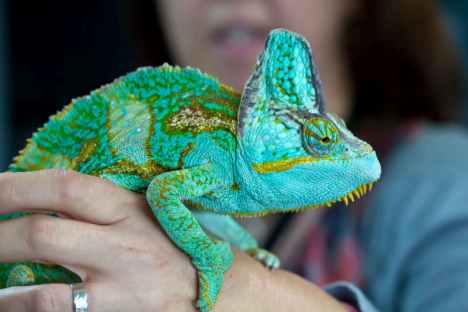
The Fascinating World of Reptiles: Cold-Blooded Companions

padrirestaurant.net – In the vast and diverse tapestry of the animal kingdom, reptiles occupy a unique and captivating niche. Often misunderstood and sometimes feared, these cold-blooded creatures are the embodiment of ancient lineages, having roamed the Earth for millions of years. From the stealthy movements of snakes to the majestic presence of crocodiles, reptiles are a testament to the incredible adaptability and resilience of life. This article delves into the fascinating world of reptiles, exploring their characteristics, habitats, and the unique relationships they share with humans.

Characteristics of Reptiles

Reptiles are a group of vertebrate animals that include snakes, lizards, turtles, crocodiles, and the tuataras of New Zealand. They are characterized by their cold-blooded metabolism, which means they rely on external sources of heat to regulate their body temperature. This trait is one of the reasons reptiles are often found basking in the sun or seeking shade to maintain their optimal body temperature.

Another defining feature of reptiles is their skin, which is covered in scales or scutes. These protective coverings serve various functions, from reducing water loss to providing defense against predators. Reptiles also have a unique reproductive strategy, with most laying eggs on land and possessing a variety of adaptations to ensure their young’s survival.

Habitats and Diversity

Reptiles inhabit a wide range of environments, from the arid deserts to the dense rainforests, and from the frigid Arctic to the tropical seas. This adaptability is reflected in their incredible diversity, with over 10,000 species of reptiles known to science. Each species has evolved unique traits that allow it to thrive in its specific habitat.

For example, the desert-dwelling horned lizard has adaptations that help it survive in arid conditions, such as the ability to absorb water through its skin. In contrast, the marine iguana of the Galápagos Islands has developed the ability to forage underwater, feeding on algae and surviving in one of the only environments where a lizard lives in the sea.

The Role of Reptiles in Ecosystems

Reptiles play crucial roles in their ecosystems. Many species are apex predators, controlling the populations of their prey and maintaining ecological balance. Others, like the earthworm-eating glass lizard, contribute to soil health and nutrient cycling. Reptiles also serve as indicators of environmental health; their presence or absence can signal changes in habitat quality and biodiversity.

Conservation Challenges

Despite their ecological importance, reptiles face numerous threats, including habitat destruction, pollution, climate change, and illegal wildlife trade. Many species are listed as endangered or critically endangered, highlighting the urgent need for conservation efforts. Organizations and governments worldwide are working to protect reptile habitats, enforce wildlife protection laws, and conduct research to better understand and conserve these fascinating creatures.

Reptiles and Humans

Humans have a complex relationship with reptiles. In some cultures, reptiles are revered and hold symbolic significance, while in others, they are feared or considered pests. However, there is a growing appreciation for reptiles as pets, with species like bearded dragons, leopard geckos, and ball pythons becoming popular companions. These animals can teach us about responsibility, patience, and the beauty of the natural world.

Conclusion

The world of reptiles is a realm of mystery, beauty, and resilience. These cold-blooded companions have much to teach us about the wonders of evolution, the importance of biodiversity, and the delicate balance of life on Earth. As we continue to learn from and about reptiles, it is our responsibility to ensure their survival for future generations to appreciate and marvel at. By understanding and protecting these ancient creatures, we can foster a deeper connection with the natural world and the incredible diversity of life it supports.

World’s Most Lavish Luxuries: The Height of Opulence

padrirestaurant.net – In a world where luxury knows no bounds, the pinnacle of opulence is not just about wealth but about the exclusivity and extravagance that money can buy. From the rarest of jewels to the most luxurious real estate, the world’s most lavish luxuries are a testament to human creativity and the desire for the extraordinary. Here, we delve into the realm of the ultra-rich, exploring the epitome of opulence that only a select few can afford.

The Most Expensive Cars

The automotive world is rife with examples of opulence on wheels. The Bugatti La Voiture Noire, priced at a staggering $18.7 million, is not just a car but a piece of art on four wheels. With only one unit produced, it represents the ultimate status symbol for car aficionados. Similarly, the Rolls-Royce Sweptail, with its bespoke design and unparalleled craftsmanship, fetched $13 million, making it one of the most expensive cars ever sold.

Luxurious Real Estate

Real estate is where the ultra-rich often showcase their wealth. The most expensive home sold to date is the Buckingham Palace Road apartment in London, which went for $220 million. This lavish residence is a symbol of the pinnacle of luxury living, offering unparalleled views of one of the world’s most iconic landmarks.

The World’s Most Expensive Jewelry

Jewelry has always been a marker of wealth and status. The Pink Star diamond, weighing in at 59.60 carats, sold for $71.2 million, making it one of the most expensive diamonds ever sold at auction. Its flawless beauty and rarity epitomize the height of luxury in the world of gemstones.

Exclusive Yachts

The sea is not left out in the quest for opulence. The History Supreme, a yacht made from 100,000 kg of solid gold and platinum, with a caviar dining room and an aquarium made of scratch-proof glass, is valued at $4.5 billion. It’s not just a yacht but a floating palace, representing the ultimate in luxury seafaring.

Private Jets and Spaceships

The sky and beyond are the new frontiers for the ultra-rich. The Airbus A380, the world’s largest passenger airliner, has been customized into a private jet with a price tag of $500 million. It features a lounge, bedrooms, and even a spa. For those who wish to venture beyond Earth, Virgin Galactic offers space tourism, with tickets priced at $250,000, promising an out-of-this-world experience.

Art and Collectibles

The world of art and collectibles is another arena where the ultra-rich flaunt their wealth. Leonardo da Vinci’s “Salvator Mundi” sold for $450.3 million, making it the most expensive painting ever sold at auction. The passion for collecting rare items, from vintage cars to ancient artifacts, is a hallmark of opulence, where the value is often in the rarity and the story behind the piece.

Exclusive Experiences

Finally, the most lavish luxury of all might be the ability to buy experiences that money can’t usually buy. From private concerts with world-renowned artists to exclusive access to historical sites after hours, the ultra-rich can purchase memories that are truly priceless.

The world’s most lavish luxuries are a testament to human ingenuity and the desire for the extraordinary. They represent the pinnacle of opulence, where the sky is no longer the limit. As we continue to push the boundaries of what luxury means, one thing is clear: for those who can afford it, the world is their oyster, offering experiences and possessions that most can only dream of.

Smartphone Revolution: Apps That Changed the World

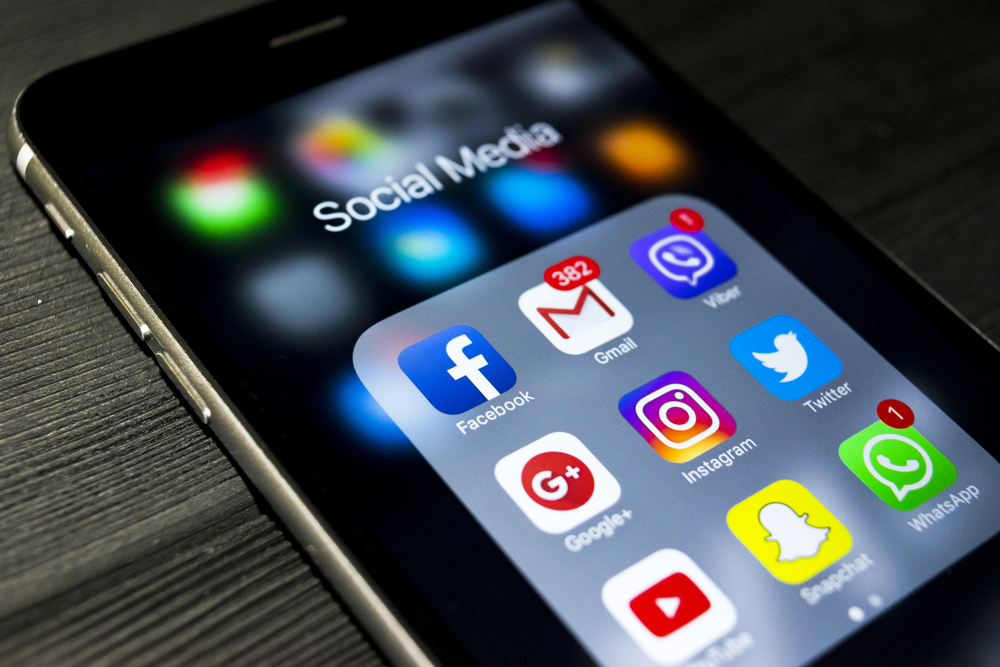
padrirestaurant.net – The advent of smartphones has indeed sparked a revolution, fundamentally altering the way we communicate, work, and entertain ourselves. This transformation has been significantly driven by a handful of apps that have not only become ubiquitous but have also redefined entire industries. Here are some of the apps that have changed the world:

  1. WhatsApp: This messaging app has revolutionized the way people communicate across the globe. With its easy-to-use interface and free messaging service (including voice and video calls), WhatsApp has rendered traditional text messaging obsolete for many. As of 2023, it boasts over 2 billion users worldwide.
  2. Uber: The ride-hailing app has disrupted the transportation industry by connecting riders directly with drivers through an intuitive app. This has led to significant changes in how people commute, with many cities seeing a decline in traditional taxi usage. Uber’s model has also inspired a wave of similar services in various sectors, from food delivery to home services.
  3. Facebook: While initially a website, Facebook’s transition to a mobile app has been crucial for its continued dominance in social networking. The app has reshaped how people connect, share news, and even influence political movements. With features like Marketplace and Groups, it has also become a platform for commerce and community building.
  4. Instagram: This photo and video sharing app has become a cultural phenomenon, influencing everything from fashion to food. Instagram has transformed social media by emphasizing visual content and has become a powerful marketing tool for businesses and influencers alike.
  5. Tinder: The dating app has revolutionized the way people meet and form relationships. By simplifying the dating process with a swipe-based interface, Tinder has made online dating mainstream and has had a significant impact on dating culture worldwide.
  6. Spotify: This music streaming service has changed how we consume music, moving us away from physical media and downloads to streaming. With its vast library and personalized playlists, Spotify has become the go-to source for music discovery and listening for millions of users.
  7. Airbnb: By enabling homeowners to rent out their properties to travelers, Airbnb has disrupted the hospitality industry. The app has made travel more accessible and has allowed for a more authentic travel experience by staying in local neighborhoods.
  8. Zoom: While not the first video conferencing tool, Zoom’s rise to prominence during the COVID-19 pandemic has made it a household name. It has transformed how we work, learn, and connect, making remote communication more accessible and user-friendly than ever before.

These apps have not only changed the way we interact with technology but have also had profound social, economic, and cultural impacts. They exemplify the power of mobile technology to innovate and disrupt, highlighting the smartphone’s role as a central hub in our daily lives.

Top 10 Billionaires Around the World in 2024

As of 2024, the world’s wealthiest individuals continue to amass fortunes through various industries, including technology, retail, and finance. Below is a detailed look at the top billionaires in the world according to recent reports.

1. Bernard Arnault

Bernard Arnault just became the world's richest person. So who is he? | CTV  News

Net Worth: $211 billion

Bernard Arnault, the chairman and CEO of LVMH (Moët Hennessy Louis Vuitton), remains at the top of the list. His wealth is primarily derived from his luxury goods empire, which includes brands such as Louis Vuitton, Christian Dior, and Sephora.

2. Elon Musk

Elon Musk | iROZHLAS - spolehlivé zprávy

Net Worth: $185 billion

Elon Musk, the CEO of Tesla and SpaceX, continues to dominate the technological and automotive sectors. His ventures into space exploration and electric vehicles have significantly boosted his net worth.

3. Jeff Bezos

Amazon CEO Jeff Bezos' secrets to success

Net Worth: $160 billion

Jeff Bezos, the founder of Amazon, remains one of the wealthiest individuals globally. Although he stepped down as CEO, his ongoing involvement and investments in various sectors keep his wealth substantial.

4. Larry Ellison

Larry Ellison edges past Bill Gates as world's fourth-richest person

Net Worth: $135 billion

Larry Ellison, the co-founder, executive chairman, and CTO of Oracle Corporation, has seen his net worth grow through his continuous investments in technology and real estate.

5. Bill Gates

Bill Gates explains how AI will change our lives in 5 years | CNN Business

Net Worth: $120 billion

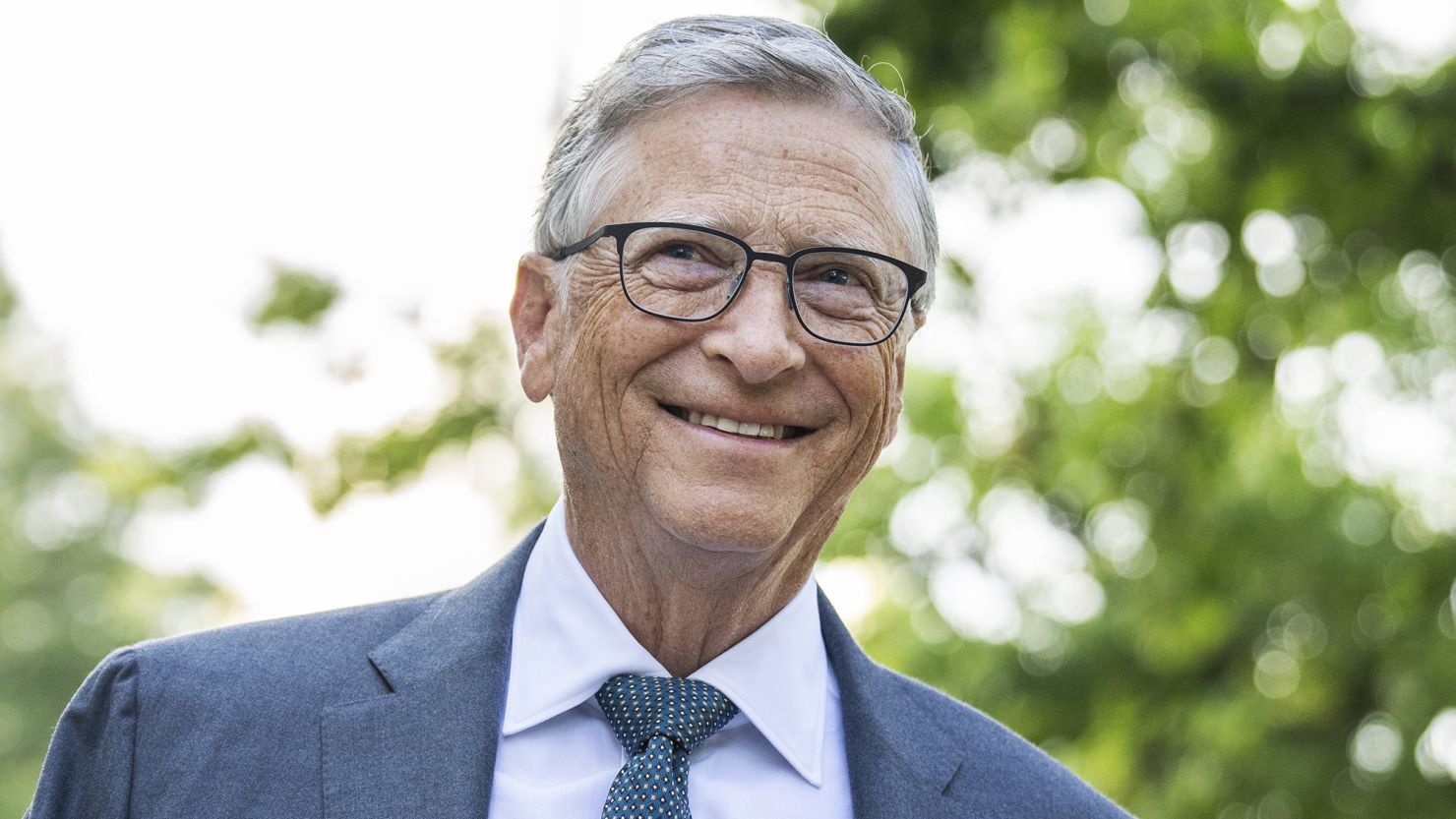
Bill Gates, co-founder of Microsoft, continues to be a significant figure in the tech industry. His philanthropic efforts through the Bill & Melinda Gates Foundation also play a crucial role in his global influence.

6. Warren Buffett

Berkshire's future CEOs to have 'significant' part of wealth invested in  holding company: Warren Buffett in annual letter

Net Worth: $117 billion

Warren Buffett, known as the “Oracle of Omaha,” is the chairman and CEO of Berkshire Hathaway. His investment strategies and acquisitions have kept him among the top billionaires for decades.

7. Mark Zuckerberg

Facebook: Are You Serious, Mark? | ZEIT ONLINE

Net Worth: $105 billion

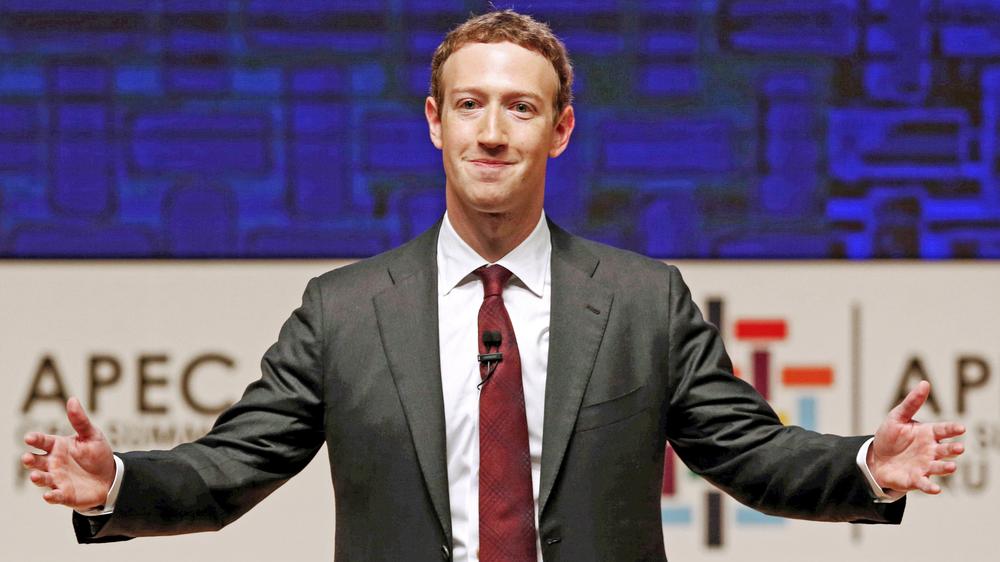
Mark Zuckerberg, the co-founder and CEO of Meta Platforms (formerly Facebook), has maintained his status as one of the wealthiest individuals, driven by the continuous expansion of social media and virtual reality technologies.

8. Larry Page

Larry Page: Google Co-Founder's Career, Personal Life - Business Insider

Net Worth: $103 billion

Larry Page, the co-founder of Google, remains a key figure in the tech industry. His investments in various innovative projects, including those under Alphabet Inc., contribute to his substantial net worth.

9. Sergey Brin

Sergey Brin cites AI as Google co-founder admits tech firms must take  greater social responsibility

Net Worth: $100 billion

Sergey Brin, another Google co-founder, also makes the list with his significant contributions to the tech giant and various philanthropic endeavors.

10. Steve Ballmer

Former Microsoft CEO Steve Ballmer Is Worth $120 Billion | Observer

Net Worth: $98 billion

Steve Ballmer, the former CEO of Microsoft and current owner of the Los Angeles Clippers, has seen his wealth grow through his involvement in technology and sports management.

For more detailed information, you can refer to the following sources:

Forbes: The Top Ten Richest People in the World

Forbes: World’s Billionaires List 2024

Visual Capitalist: Ranked: The World’s Top 10 Billionaires in 2024

These individuals not only shape the global economy but also influence various sectors through their investments and philanthropic activities.